


Missing multiple teeth can affect more than just your appearance. It can change how you chew, how you speak, and even how confident you feel smiling. If you’re exploring replacement options, you’ve probably come across two common solutions: dental bridges and partial dentures. While both are effective, they’re designed for different needs and lifestyles.
Understanding how each option works can help you feel more confident about choosing the right fit for your smile.
What Is a Dental Bridge?
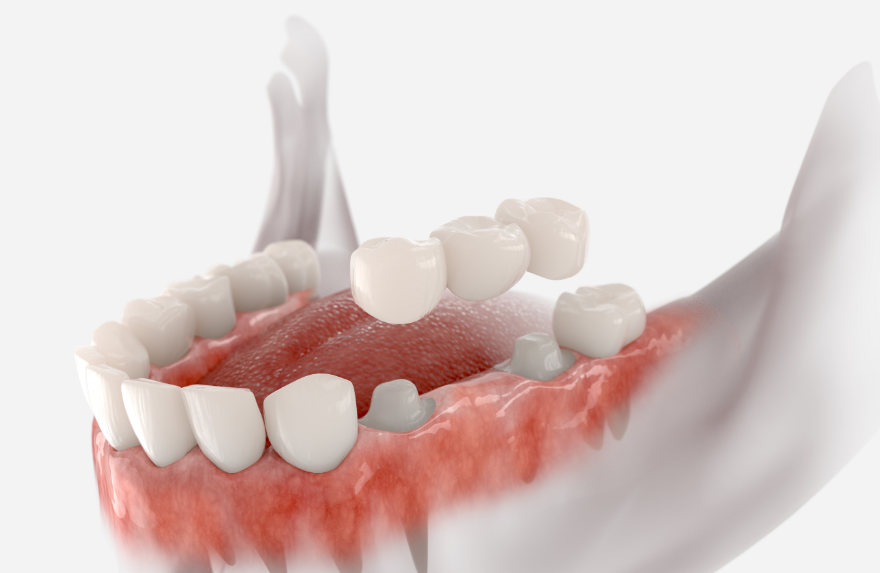
A dental bridge is a fixed restoration used to replace one or more missing teeth in a row. It’s called a “bridge” because it fills the gap by anchoring an artificial tooth to the natural teeth on either side.
Because a bridge is permanently placed, it feels very similar to natural teeth. You don’t remove it to eat or clean, and many patients appreciate the stability and seamless appearance it provides. Bridges are often chosen by people who want a long-term, low-maintenance solution that stays in place.
What Is a Partial Denture?
A partial denture is a removable appliance designed to replace multiple missing teeth. It typically consists of replacement teeth attached to a gum-colored base, sometimes supported by metal or flexible components that help hold it in place.
Partial dentures are custom-made to fit your mouth and can be taken out for cleaning. They are often recommended when several teeth are missing in different areas or when the surrounding teeth aren’t ideal candidates for supporting a bridge.
Key Differences Between Bridges and Partial Dentures
One of the biggest differences between these options is permanence. Dental bridges are fixed, meaning they stay in your mouth at all times, while partial dentures are removable.
Comfort and feel can also vary. Bridges tend to feel more natural because they’re secured in place, while partial dentures may take some time to get used to. On the other hand, partial dentures are often easier to adjust or modify if additional teeth are lost in the future.
Maintenance is another consideration. Bridges are cared for much like natural teeth, while partial dentures require daily removal and cleaning. Your dentist can help explain what level of upkeep each option involves.
Which Option Is Best for You?
The right choice depends on several factors, including how many teeth are missing, where they’re located, and the health of your remaining teeth and gums. Your budget, lifestyle, and personal preferences also play a role.
Some patients prioritize a fixed solution that doesn’t need to be removed, while others prefer the flexibility and affordability of a partial denture. There’s no universal answer, just the solution that best supports your oral health and daily life.
Why a Personalized Evaluation Matters
Tooth replacement isn’t just about filling a gap. It’s about maintaining proper bite alignment, preventing shifting teeth, and supporting long-term oral health. A thorough dental evaluation helps ensure the option you choose meets both your immediate and future needs.
Talking through the pros and cons with your dentist can bring clarity and peace of mind.
Choosing between a dental bridge and a partial denture is an important step toward restoring your smile and your confidence.
About the Practice
BGH Dental provides comprehensive restorative dental care focused on helping patients regain comfortable, functional smiles. Our advanced team of doctors offer personalized solutions for tooth replacement, including dental bridges and partial dentures, and take time to explain each option in detail. We emphasize patient education, long-term oral health, and treatment plans tailored to individual needs and goals.
Call us at (413) 772-0842 or request an appointment online.